
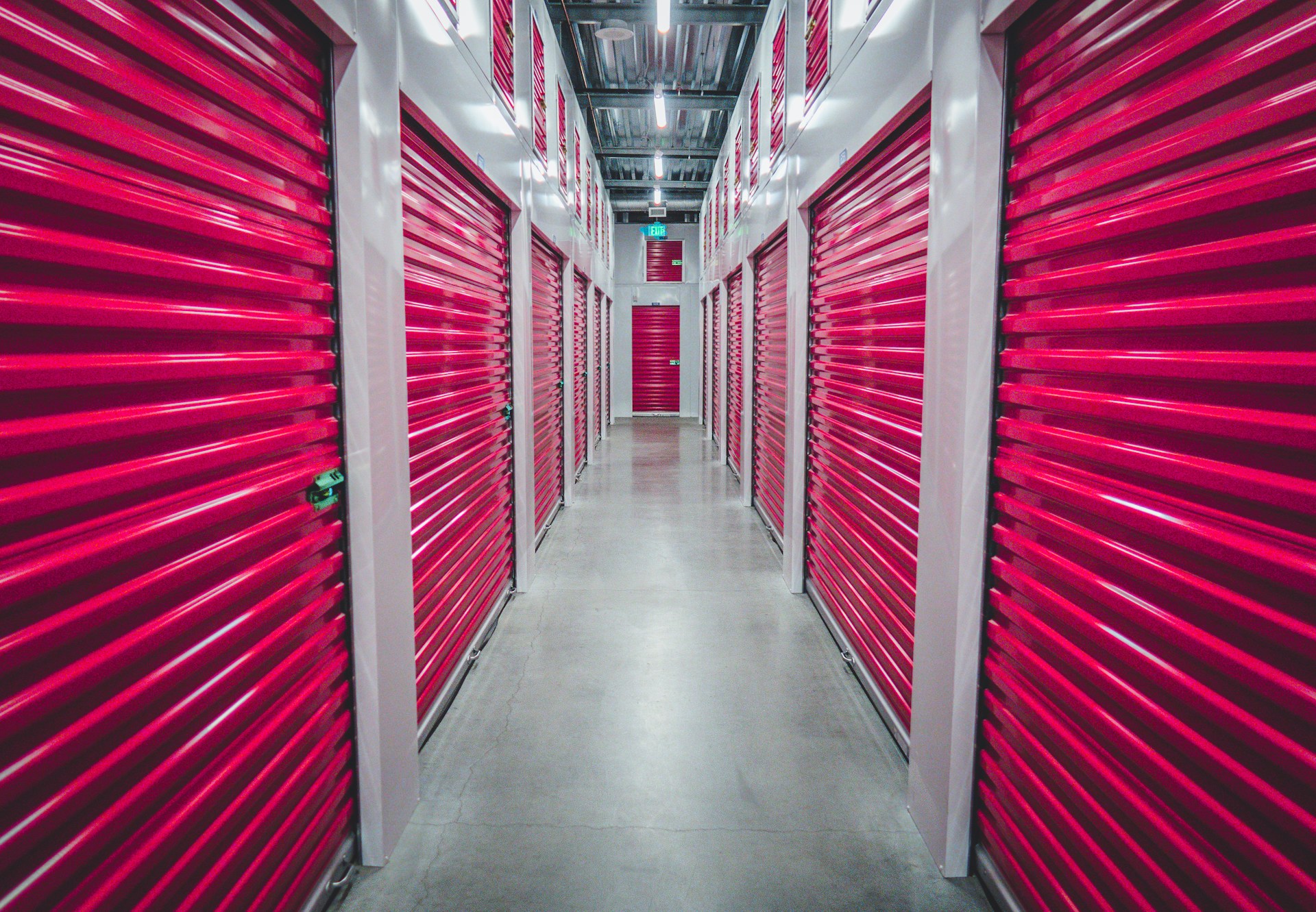
Outdoor spaces are useful, but they can become messy fast. Tools, garden supplies, sports gear, seasonal items, maintenance equipment, and “temporary” storage boxes often end up scattered across garages, sheds, patios, and utility areas.
That is why safe outdoor storage planning matters. A well-organized space protects equipment, reduces clutter, improves safety, and makes everyday tasks easier.
Start With What You Actually Store
Before buying shelves, cabinets, bins, or storage boxes, make a list of what you need to store. Garden tools, hoses, paint, bicycles, power tools, outdoor furniture cushions, sports equipment, and vehicle accessories all have different storage needs.
Some items need dry conditions. Some need ventilation. Some should stay locked. Some should be kept away from children, pets, heat, or moisture.
Good storage starts with understanding the items, not with buying the biggest cabinet.
Separate Everyday Items From Rarely Used Items
Items you use every week should be easy to reach. Items used once or twice a year can go higher, deeper, or farther away.
This simple separation saves time. It also reduces the chance of knocking things over while looking for one tool hidden behind ten other things.
A good rule is simple: the more often you use it, the easier it should be to access.
Lockable Storage Adds Peace Of Mind
Some equipment should not be left exposed. Tools, chemicals, sharp objects, and regulated items require secure storage. Even if a household does not own such items, the principle is useful: anything potentially risky should be stored responsibly.
If you store regulated items like a ZPAPM72 rifle, safe storage principles remain the same: follow the law, restrict access, and never treat security casually.
Responsible storage protects people, property, and peace of mind.
Moisture Is The Enemy
Garages and sheds often collect moisture. That can damage metal, wood, fabrics, paper labels, and electronics. Use sealed containers, raised shelving, ventilation, and moisture absorbers where needed.
Avoid placing sensitive items directly on concrete floors. Keep boxes off the ground and inspect storage areas after heavy rain.
A dry storage area saves money because equipment lasts longer.
Label Everything
Labels may seem unnecessary until you need one specific item in a hurry. Clear labels make storage easier for everyone in the household.
Use categories such as:
- gardening;
- car care;
- outdoor tools;
- seasonal decor;
- sports gear;
- cleaning supplies;
- repair parts.
The goal is not perfection. The goal is to avoid opening eight boxes to find one small part.
Keep Walkways Clear
Cluttered storage areas can become dangerous. Tripping over tools, slipping on loose items, or pulling heavy objects from unstable shelves can cause injuries.
Keep pathways clear. Use wall hooks for long tools. Store heavy items low. Avoid stacking unstable boxes too high.
A safe storage area should be easy to enter, use, and maintain.
Conclusion
Safe outdoor storage planning helps homeowners protect equipment, reduce clutter, and create a safer living environment. The best system is simple, secure, and based on real household needs.
When everything has a place, outdoor spaces become easier to use. More importantly, they become safer for the people and pets who share them.