
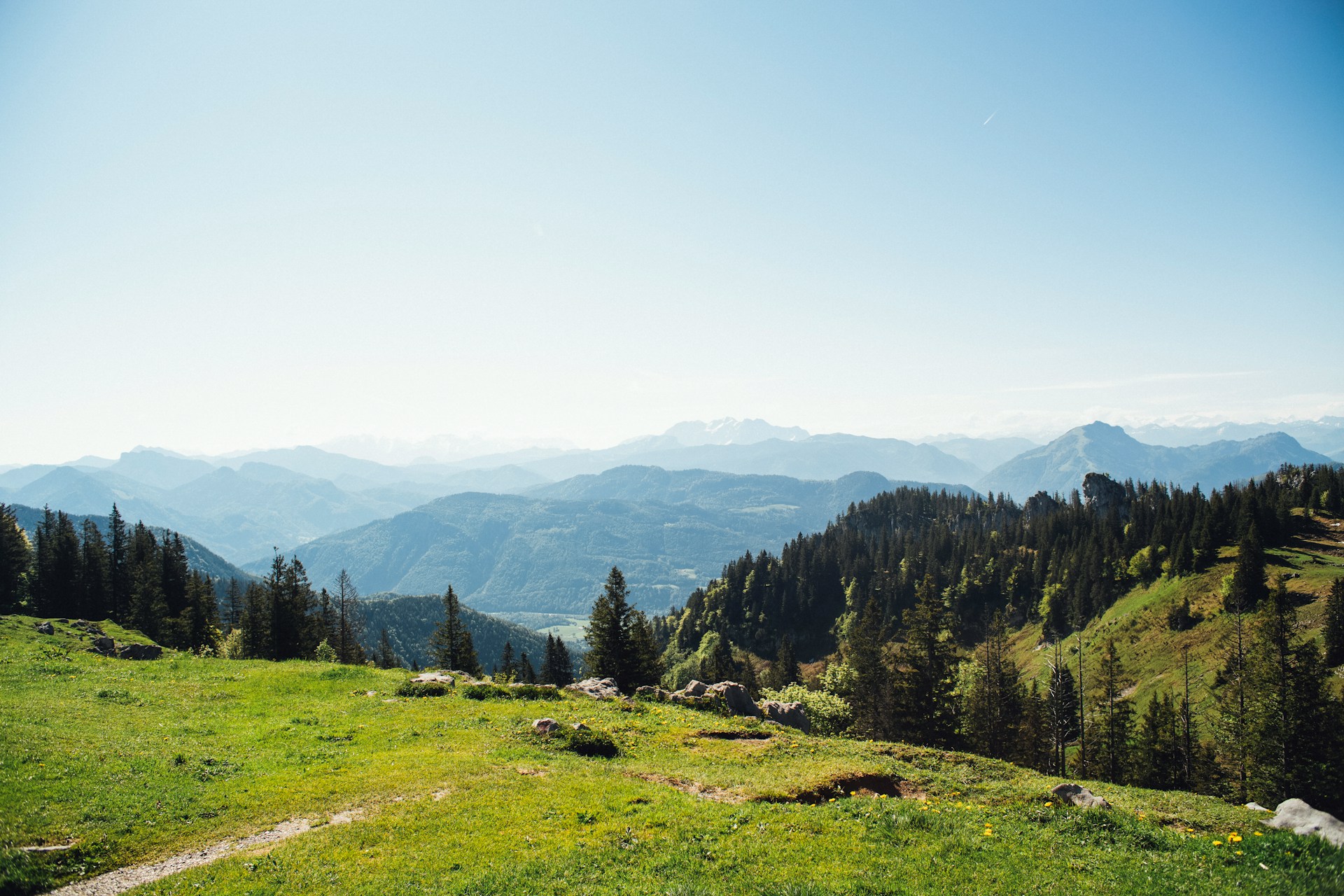
Few outdoor spaces feel as inviting as an alpine terrace after a long walk. The formula seems simple: wooden furniture, mountain air, generous food, and a view that requires no decoration. Yet the real appeal comes from thoughtful choices that make guests feel comfortable without competing with the landscape.
Homeowners can borrow many of these ideas for patios, balconies, gardens, and courtyards.
Start With the Surroundings
The best alpine spaces do not try to overpower their setting. They use materials and colors that feel connected to the landscape.
Before you redesign your outdoor area, identify its strongest natural feature. It might be a mature tree, a garden border, an open view, or even a particularly good patch of afternoon sun. Arrange the seating around that feature instead of filling the space with decorations.
Even a small urban courtyard can feel calmer when it has one clear focal point.
Use Natural Materials
Wood plays a major role in traditional mountain architecture because it feels warm, familiar, and visually comfortable. You can achieve a similar effect with a wooden table, bench, planter, pergola, or privacy screen.
Stone also works well for paths, walls, fire pits, and garden borders. It adds texture and can withstand years of changing weather when installed correctly.
You do not need to turn your backyard into a movie-set chalet. One or two authentic materials usually create a stronger result than a collection of imitation rustic decorations.
Make the View Part of the Layout
Seating should face the most pleasant part of the garden rather than a blank wall or storage area. This sounds obvious, yet many patios follow the shape of the building without considering what people will actually see.
Mountain venues understand the value of orientation. At a restaurant in Ramsau, the alpine panorama forms part of the dining experience. At home, your view may consist of flowering plants, a courtyard fountain, or attractive outdoor lighting. The scale differs, but the principle remains the same.
Place chairs where people naturally want to look.
Create Shelter Without Closing the Space
Outdoor areas feel more useful when they provide some protection from strong sun, light rain, and wind. A pergola, retractable awning, large umbrella, or covered corner can extend the time you spend outside.
For wind protection, consider slatted screens, hedges, tall planters, or strategically placed fencing. Solid barriers can sometimes create uncomfortable turbulence, while partially open screens soften the wind without making the patio feel enclosed.
If you live in an area with heavy snow or strong seasonal storms, choose structures designed for local conditions.
Choose Comfortable, Practical Furniture
A beautiful chair that becomes uncomfortable after eight minutes is mostly garden sculpture. Select furniture that supports relaxed meals and long conversations.
Benches can provide flexible seating, especially when paired with removable cushions. Individual chairs are easier to move and suit guests with different comfort needs. If space allows, combine dining seats with a separate bench or lounge chair.
Outdoor fabrics should resist moisture and sunlight. Store cushions in a dry box or indoor area when the weather turns rough.
Use Warm, Layered Lighting
Bright floodlights rarely create a cozy atmosphere. Use several softer light sources instead.
Wall lights can illuminate doors and paths. Low garden lights can mark steps or borders, while portable table lamps create a more intimate dining area. Warm-toned bulbs tend to complement wood, stone, and greenery.
Keep safety in mind. Steps, changes in level, and cooking areas need enough light for people to move around confidently.
Add Plants That Suit the Climate
Alpine spaces often look convincing because their plants belong in the surrounding environment. Follow the same approach at home. Choose species that suit your soil, sun exposure, rainfall, and winter temperatures.
Native or climate-appropriate plants often require less intervention once established. Herbs can also add scent and provide fresh ingredients near an outdoor dining area.
Group planters in uneven numbers and vary their height. This tends to look more natural than placing identical pots at fixed intervals.
Keep the Space Simple
The most welcoming outdoor rooms leave enough space to move, serve food, and enjoy the surroundings. Resist the urge to fill every corner.
A solid table, comfortable chairs, a little shelter, warm lighting, and well-chosen plants can do more than dozens of decorative objects. Alpine hospitality offers a useful reminder: comfort, nature, and good company create the atmosphere. The decor only needs to help them along.